The Highest Price Isn’t Always the Best Price
Monday, May 11, 2026
One of the easiest ways to lose a listing appointment is to tell the truth.
That may sound cynical, but in real estate, it happens all the time. I’ve sat with Georgetown sellers, reviewed the comparables, explained the condition of the home, the location, the competition, and the buyer pool, only to hear later that another agent came in much higher and won the listing.
And of course, I understand why that works.
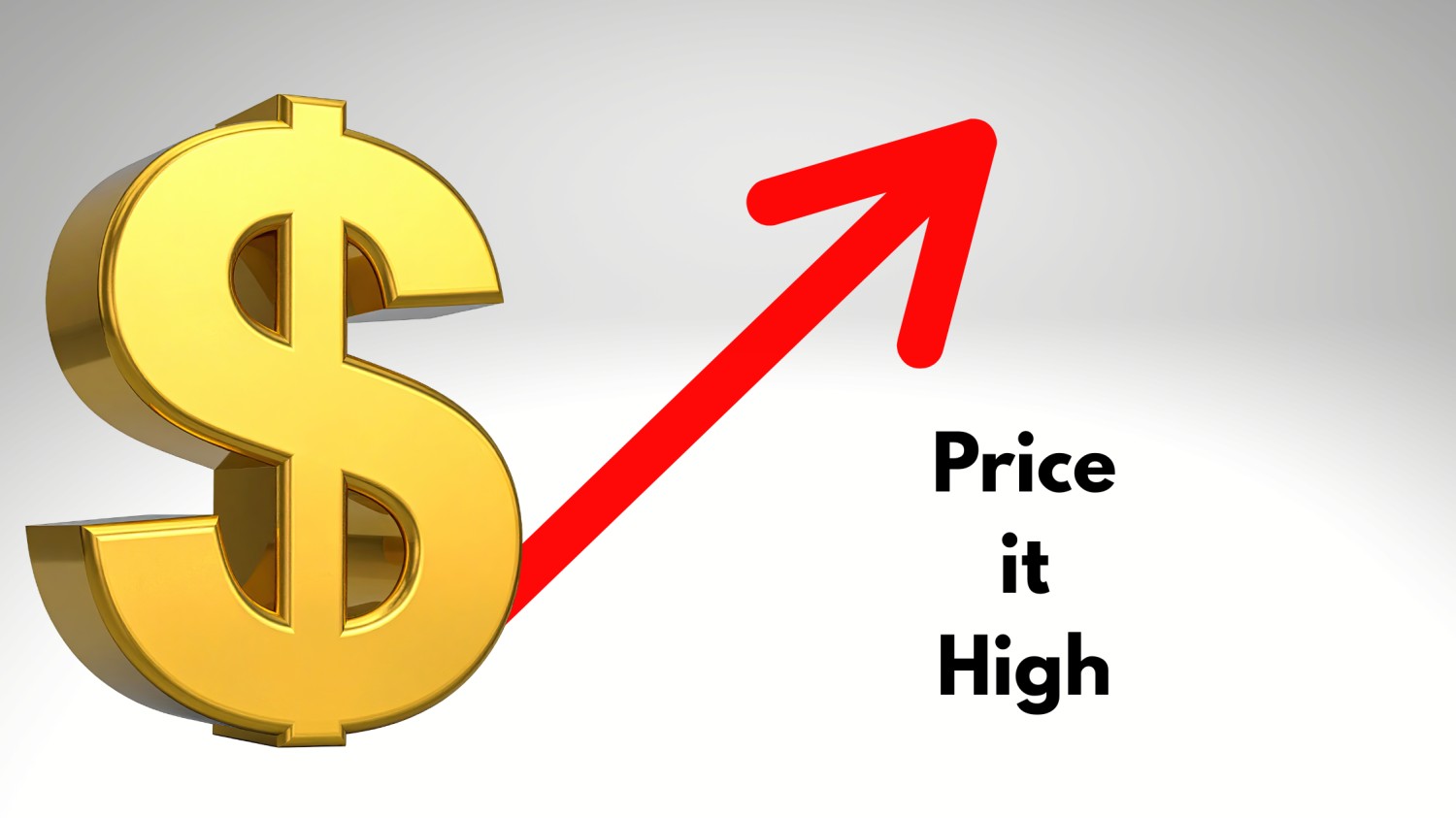
If one agent suggests your home is worth $899,000 and another says $1,099,000, most sellers are going to notice the higher number. It feels better. It sounds better. It validates the work, money, and emotion invested in the home.
But a higher list price does not automatically mean a higher sale price.
Sometimes it simply means the agent was better at winning the appointment than winning the market.
In real estate, “buying the listing” means telling the seller a number that sounds appealing, securing the contract, and then letting the market sort it out later. The problem is that overpricing often leads to fewer showings, weaker buyer interest, and eventually a price reduction conversation no seller wants to have.
That delay can be costly. Once a home sits too long, buyers start to wonder what’s wrong with it. Even when there is nothing wrong, the property loses freshness and urgency. It starts to feel negotiable instead of competitive.
The Georgetown housing market does not care what an agent promised at the kitchen table. Buyers compare homes based on location, condition, features, upgrades, and value. If the price is too high, they move on.
That is why honest pricing matters.
At the Shelly Williamson Team, we believe in pricing strategy backed by data, local knowledge, and real buyer behavior. Our goal is not to win your listing with the highest number. Our goal is to help you sell smart, protect your equity, and get results.
If you’re thinking about selling in Georgetown, ask the hard questions. Ask what the comparable homes actually sold for. Ask what happens if the home does not sell in 30 days. Ask what the pricing strategy is based on.
Because when it comes to selling your home, the best price is not always the highest price. It’s the one the market will actually pay.